
Paying for a tool and owning a tool are two different things. The gap between them is where luggage programs get held in place, and it is almost always a gap in a document rather than a dispute about money.
The uncomfortable part is that the factory does not need to own your tooling to control it. It only needs to be standing next to it.
Possession is the leverage, not ownership
Harris Sliwoski, a US law firm with a China manufacturing practice, is direct about this. Without clear ownership, a buyer is exposed to hidden costs, inflated tariffs, and production delays, and factories do use molds as leverage by refusing to release them unless an inflated fee is paid.
They cite a client who paid 200,000 US dollars to retrieve tooling worth 80,000.
Source: Harris Sliwoski, molds and tooling in international manufacturing, checked as of August 2026.
Read that as a physical problem rather than a legal one. The tool sits on a factory floor you do not control, in a country whose courts you have never used, bolted into a press that belongs to somebody else. Ownership on paper is what makes the argument winnable. It is not what makes the tool move.
What the agreement has to say
The same firm sets out the provisions a tooling agreement needs. Eight of them, and none is optional once a program is running.
Ownership. That the buyer owns all tooling, regardless of who built it.
IP assignment. That designs, drawings, and tooling related intellectual property belong to the buyer.
Exclusivity. That the tooling is used only for your products and not for anyone else’s.
Marking and inventory. That the tooling is physically labeled as your property and documented.
Access and return. The right to inspect and reclaim tooling.
Maintenance. That the factory keeps the tooling in working condition.
Breach penalties. Contract damages if tooling is not returned.
Governing law and jurisdiction. Including remedies you can actually reach before a judgment.
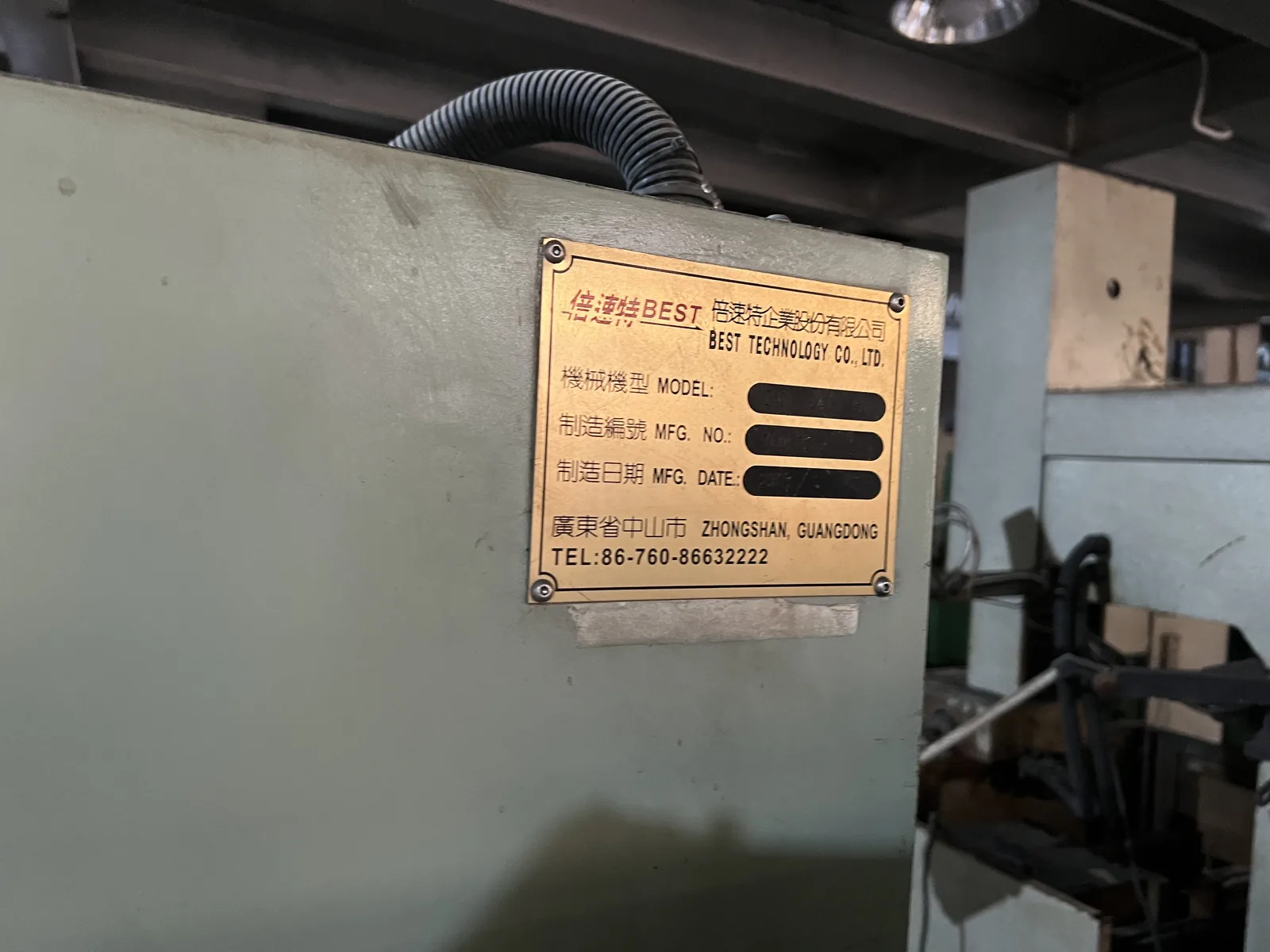
Marking and inventory looks like the weakest item on that list and is closer to the strongest. A tool with your company name and a tool number physically on it, photographed, on a list you hold, is a different object in a dispute from a tool nobody can identify.
Why luggage is harder than most categories
Because there is rarely one tool.
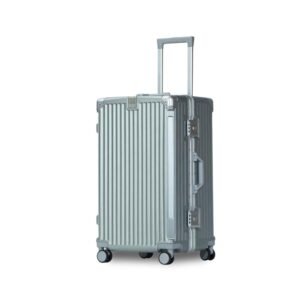
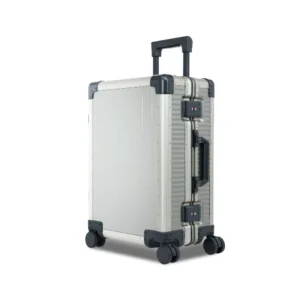
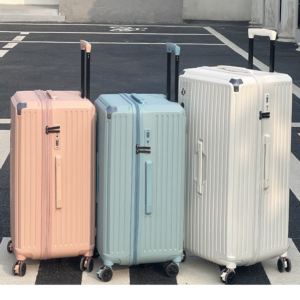
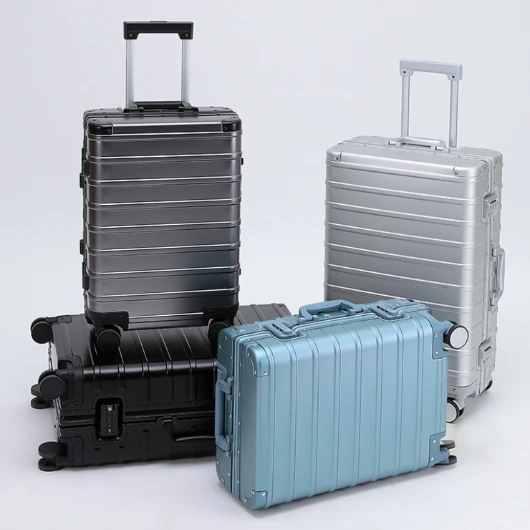
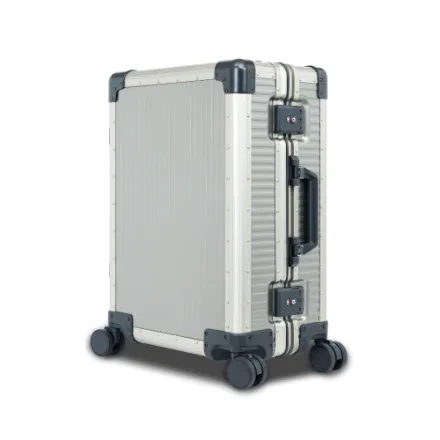
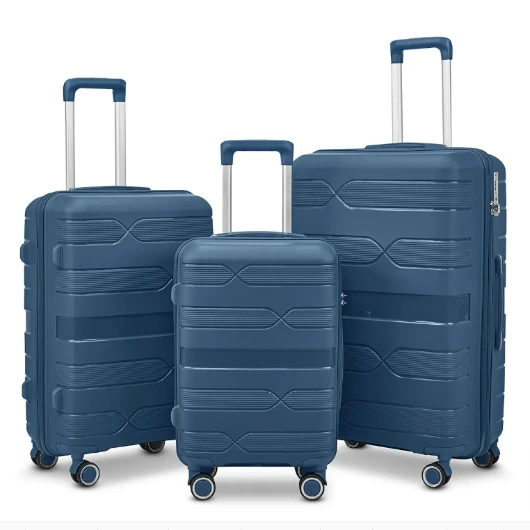
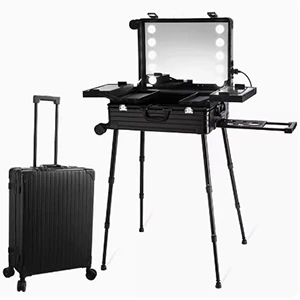
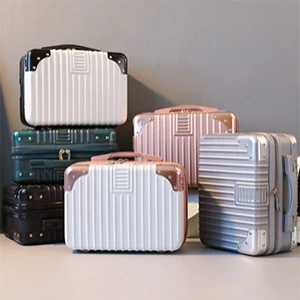
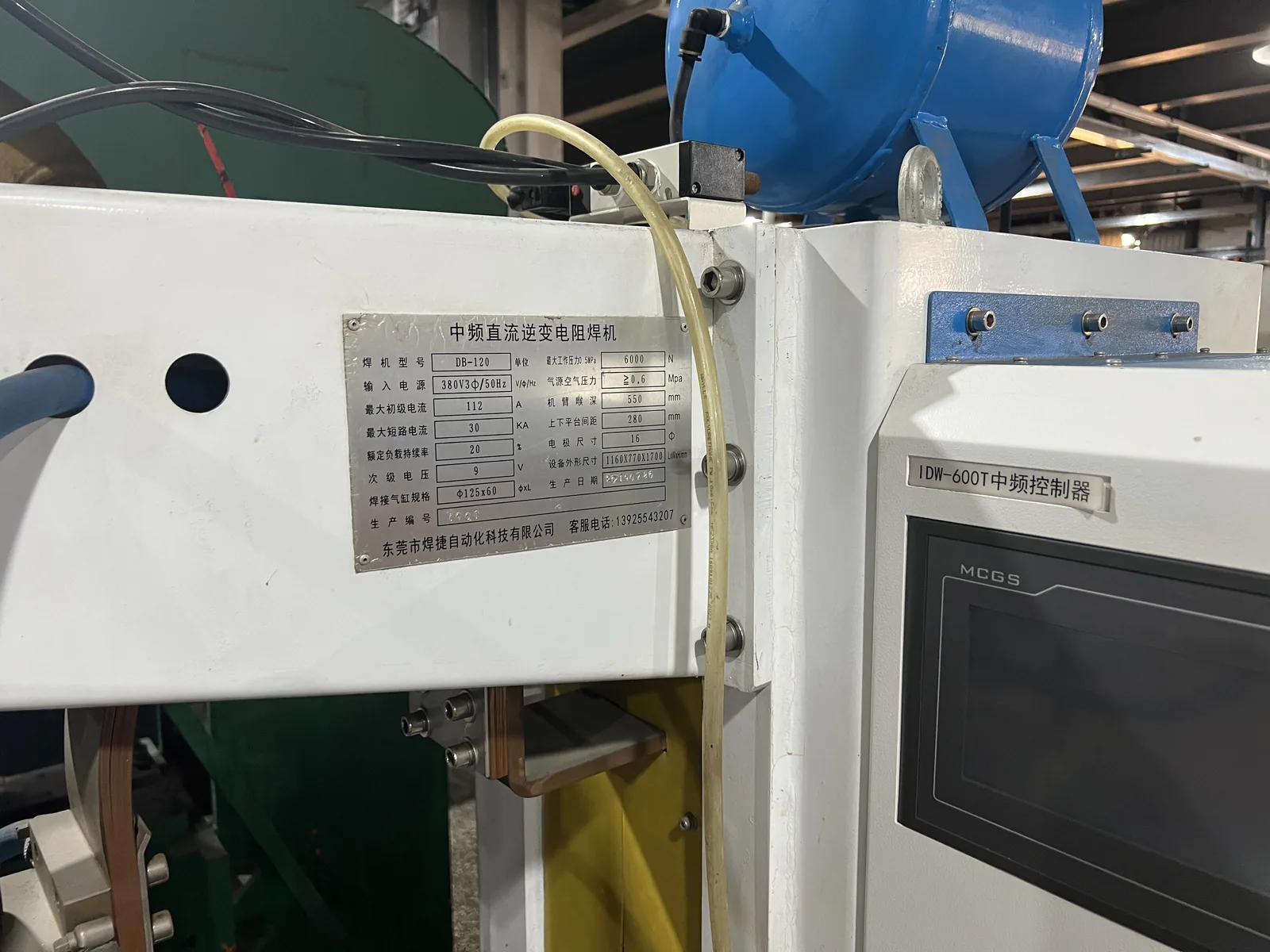
A three size range is three shell tools before anything else. An aluminum frame case adds an extrusion die for the frame profile. The lock cavity, the handle rail seats, and the wheel housing mounts are further operations, some of them on their own fixtures. Interior components and a molded logo plate can each carry tooling of their own.
So the thing you are calling the mold is a set, and a set has a property a single object does not. A partial return is not a working set. Getting eight of eleven items back leaves you unable to build the product, which is exactly as bad as getting none of them back and considerably more confusing to explain to a lawyer.
Which is why the inventory list matters more here than in a single part program. Number every item, list it, and keep the list current as the range grows.
What to settle before the first tooling payment
Four things, and they cost nothing at the quotation stage.
An itemized list. Every tool, fixture, and die the program uses, numbered, with which size or component each one serves. Not the word tooling and a figure.
The ownership position at each stage. If any part of the cost is amortized or credited against volume, ownership usually does not transfer until it is paid in full. State when it transfers rather than assuming it already has.
Marking and photographs. Your name and the tool number on the tool, photographed at handover, held by you.
What happens at the end. Return, storage, or scrapping, who pays for each, and how much notice is required. Programs end. The document should already know that.
What we do and what we do not
Ownership and return terms go in writing before the first tooling payment, itemized by tool rather than as a single line. Our terms are negotiated per program rather than fixed, so the mechanism can follow what the program needs.
Our minimum is 300 units per design, and smaller test batches are negotiable rather than refused. Sampling runs 7 to 15 days per round and bulk is 45 days from a confirmed sample.
We do not use tooling as a reason you cannot leave. A factory that needs to hold your steel to keep your orders has already lost the argument it should have been winning on quality and price.
We also do not run your tooling for another customer. If a tool is built for your program it is used for your program, and that belongs in the document rather than in a reassurance.
A tool carries its own history, including the shrinkage it was cut for, and that history decides whether it can run a different plastic later, which we go through in can one mold run a different resin.
Frequently asked questions
If I pay for the mold, do I own it?
Only if the contract says so. Paying is not the same as owning, and under an amortized or volume credited arrangement ownership commonly stays with the factory until the tooling is paid in full. Ask when title transfers rather than assuming payment settled it.
Can I move my tooling to another factory?
Contractually, if you have ownership, access, and return clauses. Practically, only if the tool is identified, listed, and marked as yours, and only if the current factory has no outstanding claim against it. Sort this out at the start of a relationship rather than at the end of one.
How many tools does a luggage range actually involve?
More than most brands expect. Each size is a separate shell tool, an aluminum frame case adds a frame extrusion die, and the lock cavity, handle seats, and wheel mounts are further operations. Ask for an itemized list rather than a single tooling figure.
Written by James
James works at aluvox.com in Houjie, Dongguan. References on this page were checked against the sources linked above in August 2026.